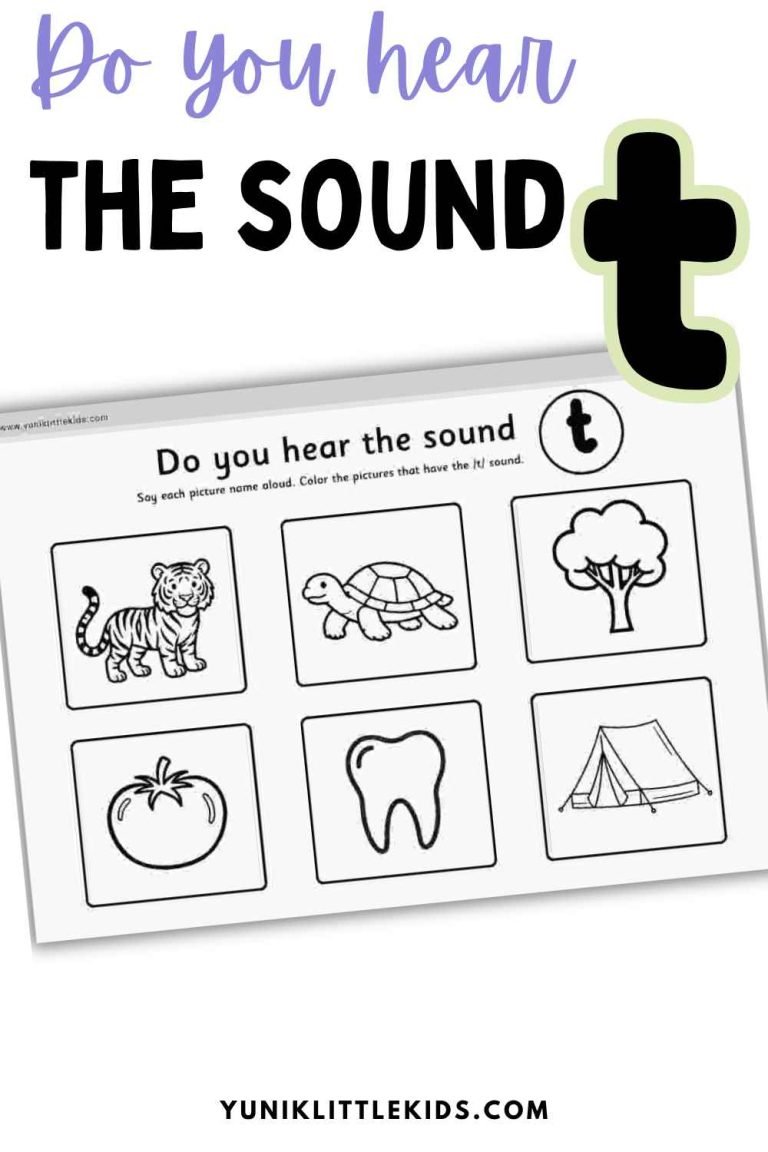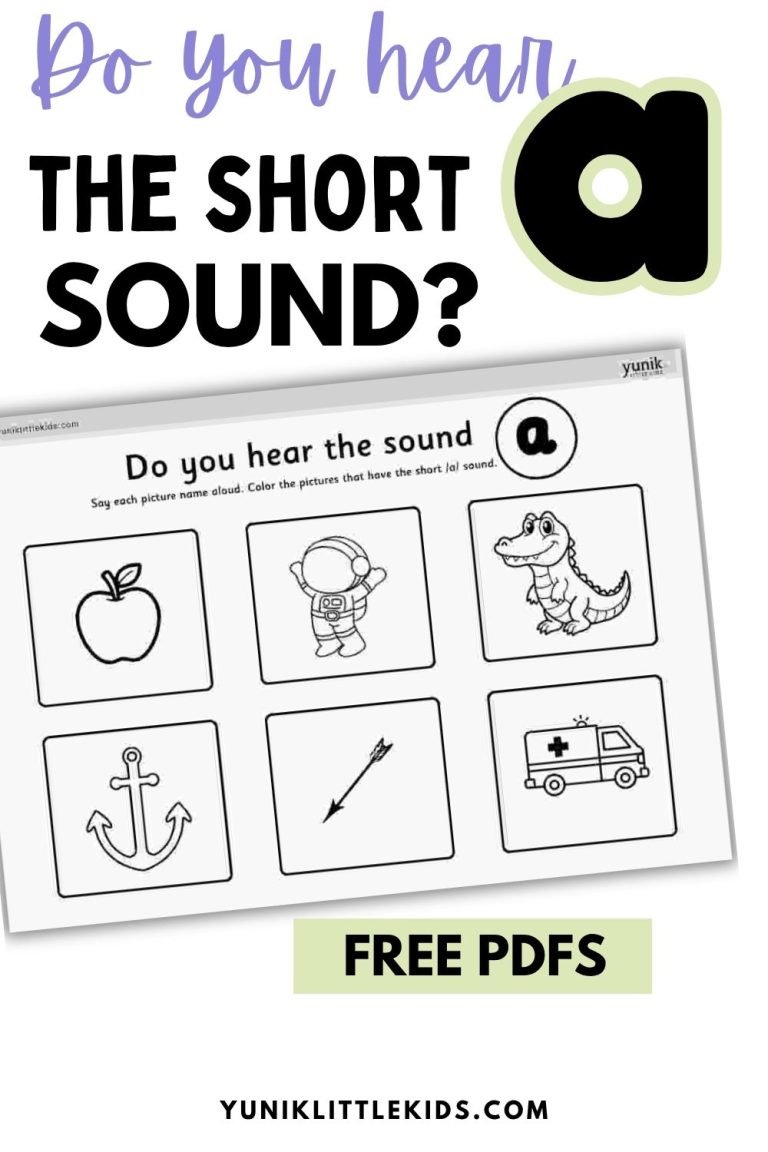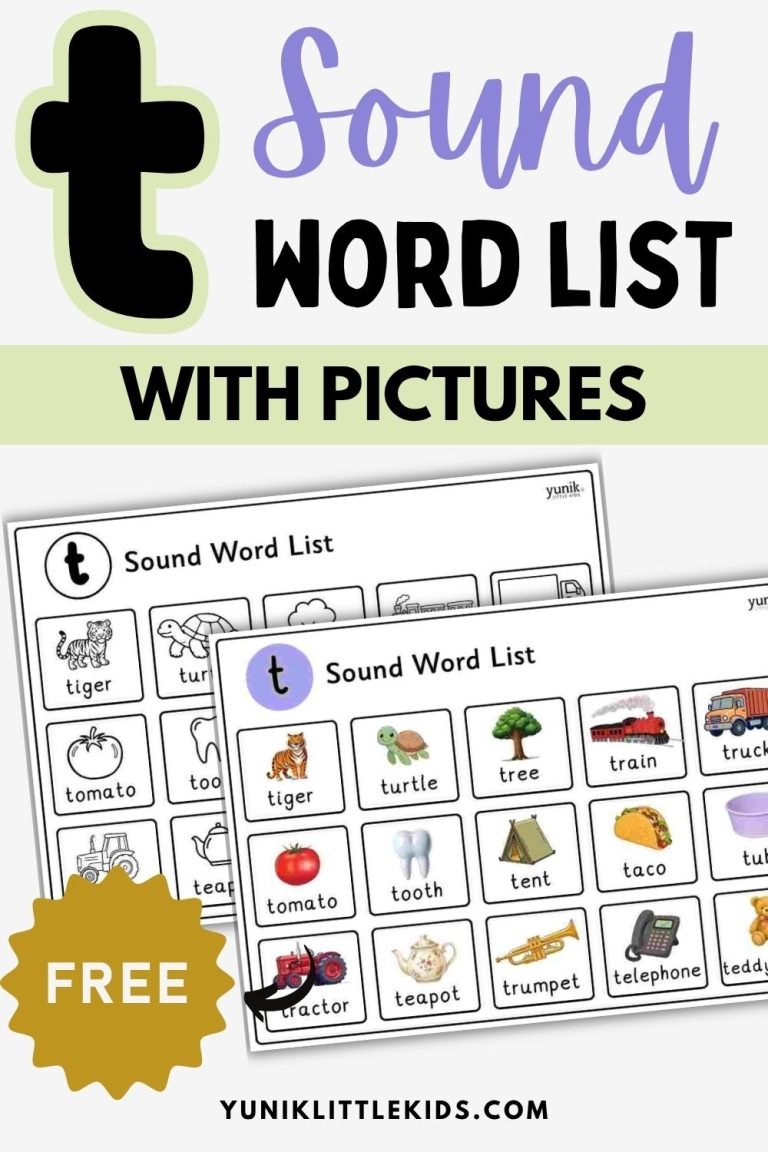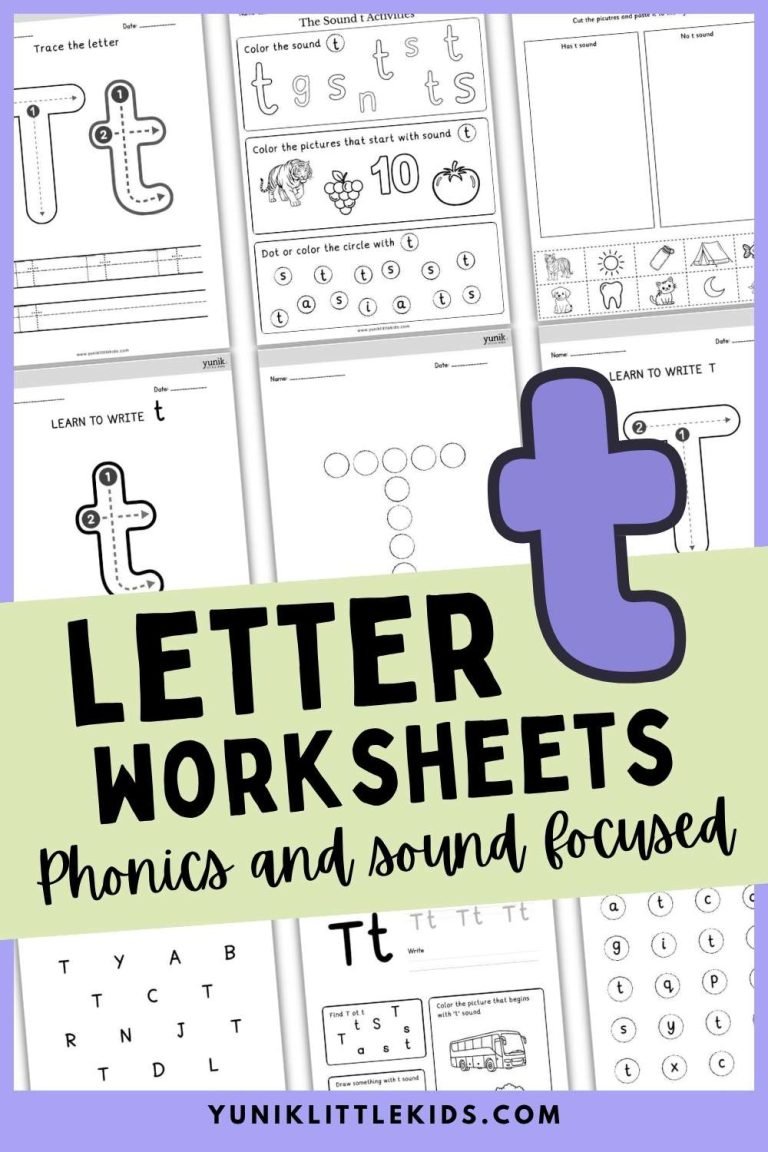
How to teach your child to read at home is one of the most common questions parents ask, especially when their little one starts showing interest in books and letters. It can feel exciting, but also a little overwhelming.
With so much advice online, it’s hard to know where to begin.
The Phonics Way: My Story
I remember feeling the same way with my older daughter. As a first-time mom, I wanted to make sure I was teaching her the “right” way.
I spent hours reading articles, watching videos, and researching different methods. Some suggested starting with the alphabet, others recommended sight words, and many seemed to have completely different opinions. The more I researched, the more confused I became.
That’s when I discovered Jolly Phonics. I decided to become a certified Jolly Phonics educator so I could truly understand how children learn to read. What I loved most was how simple and logical the approach was. Instead of asking children to memorize words or learn letter names first, it starts by teaching letter sounds and gradually builds the skills children need to become confident readers.
When I followed this approach with my daughter, I could see her confidence grow step by step. There was no pressure to rush through the process. She learned to hear sounds, blend them into words, and eventually read simple books with excitement. That experience completely changed the way I think about teaching reading.
In this guide, I’ll walk you through the exact pathway I recommend for parents who want to teach reading at home.
This is going to be a simple roadmap that shows you what to teach first, what comes next, and how each step builds on the previous one. If you would like a deeper explanation of the phonics stage, be sure to read my Beginner’s Guide to Teaching Phonics at Home after this article.
Remember, teaching your child to read isn’t about racing to finish a book. It’s about building strong foundations, making learning enjoyable, and helping your child become a confident, lifelong reader.
When Should I Start Teaching My Child to Read?
The answer might surprise you. Reading doesn’t begin when your child picks up their first book. It starts much earlier.
From birth, talk to your baby, sing nursery rhymes, and read aloud every day. These simple activities build vocabulary and listening skills.
Around ages 2 to 3, you can play rhyming games, clap syllables, and help your child listen for sounds in words.
Between ages 3 and 5, most children are ready to begin learning letter sounds through phonics. This is when you can gradually start teaching reading in a fun and playful way.
Every child develops at their own pace. It is better if we focus on building confidence rather than reaching milestones quickly.
So, here is what I would follow if I start from first.
Step 1: Build Strong Listening Skills
Before children can read words, they need to hear the sounds inside them.
Try activities like:
- Singing nursery rhymes
- Rhyming games
- Clapping syllables
- Finding words that start with the same sound
- Listening to environmental sounds
These activities build phonological awareness, which is one of the most important foundations for reading.
Step 2: Teach Letter Sounds Before Letter Names
One of the biggest mistakes parents make is teaching the alphabet names first. While it may work, the sound-first approach is easier and better for kids.
In the Jolly Phonics approach, children learn the sound each letter makes before learning its name. This helps them blend sounds together to read words much more easily.
For example, teach the sound /s/ instead of saying “This is the letter S.” or “S for Sun”
Use songs, stories, actions to help them in this learning sound process. (Jolly Songs can be of great help here)
If you’re wondering how to start teaching a child to read, this is where I recommend beginning.
If you’d like a complete guide on teaching phonics, read my Beginner’s Guide to Teaching Phonics at Home.
Step 3: Teach Your Child to Blend Sounds
Once your child knows a few letter sounds, they can begin blending.
For example:
s-a-t → sat
c-a-t → cat
m-a-p → map
Start with simple three-letter words and let your child say each sound before blending them into a word.
Keep lessons short and fun. Five to ten minutes each day is enough. So, just as they know 3 to 6 sounds and understand the art of blending, they might already be able to read 10 to 12 words.
Step 4: Practice Reading Simple Words
Now your child is ready to read simple decodable words.
Begin with CVC (consonant-vowel-consonant) words like:
- cat
- dog
- sun
- pin
- cup
- bed
Encourage your child to sound out every word instead of guessing from pictures.
Lots of practice with simple words helps build reading confidence.
Step 5: Teach a Child to Read Sentences
Many parents ask how to teach a child to read sentences.
The key is to wait until your child is comfortable reading simple words first.
Start with short, decodable sentences such as:
- The cat sat.
- Sam can hop.
- I can run.
- Tim is big.
Avoid long or difficult books at this stage. Success builds confidence.
Step 6: Teach Reading and Writing Together
If you’re wondering how to teach child to read and write, don’t treat them as separate skills.
As children learn new letter sounds, encourage them to:
- Trace letters
- Write the sounds they know
- Spell simple words
- Copy short sentences
Writing helps children remember the sounds they are learning and strengthens reading at the same time.
Step 7: Read Together Every Day
Nothing replaces reading together.
Read aloud every day, even after your child starts reading independently.
Choose books that match your child’s reading level and let them reread favorite stories. Repetition builds fluency and confidence.
Most importantly, make reading an enjoyable part of your daily routine.
Common Mistakes Parents Make
When learning how to teach your child to read at home, try to avoid these common mistakes:
- Teaching letter names before letter sounds
- Asking children to memorize whole words
- Moving too quickly to difficult books
- Skipping listening and sound games
- Turning reading into a stressful activity
Children learn best when reading feels like play.
But What About Tricky Words?
One question parents often ask is, “If English has so many irregular words, does phonics really work?”
“Why those /a/, /a/, /s/, /s/ nonsense instead of the regular Ay, Bee, See, Dee?”
Here is something to think about. Even as adults, we can’t memorize every new word we see. So why expect a child to?
Phonics isn’t about making every English word follow the rules. It is aboutgiving children a system to read most words on their own. Then, they only have to memorize the relatively small number of tricky words that don’t follow the usual patterns.
With phonics, I don’t want my child to repeat 10 times – ES-YU-EN for SUN… She knows the sounds and she can tell it by herself.
She can now just memorize O-N-E or T-W-O.
That’s much easier than trying to memorize every single word from the beginning. It reduces the memory load, builds confidence, and helps children become independent readers.
Still want to know why phonics still works even though English has irregular words? I’ll cover that in a separate article.
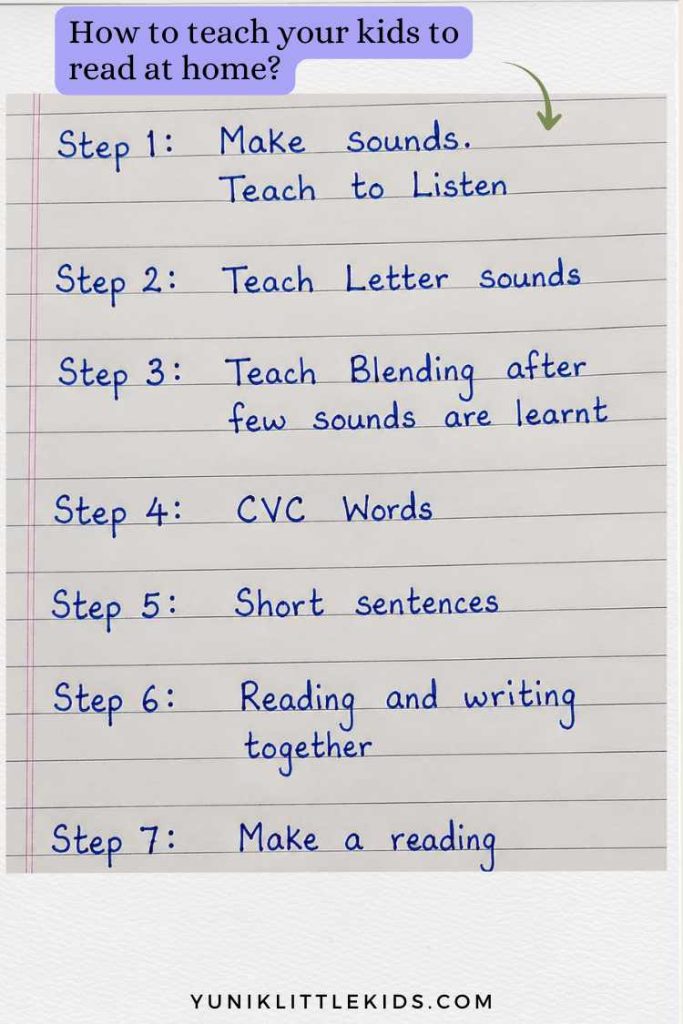
Your Simple Reading Roadmap
Here is the pathway we talked about:
- Step 1: Build listening and sound awareness.
- Step 2: Teach letter sounds using phonics.
- Step 3: Blend sounds into simple words.
- Step 4: Practice reading CVC words.
- Step 5: Read short sentences.
- Step 6: Practice reading and writing together.
- Step 7: Read books every day and enjoy the journey.
Each stage prepares your child for the next one. Don’t rush through the process.
To Sum It Up
Learning how to teach your child to read at home doesn’t have to be complicated. By following a simple, step-by-step approach and building one skill at a time, you can help your child become a confident reader.
If you’re ready to begin teaching letter sounds, don’t miss my Beginner’s Guide to Teaching Phonics at Home. It explains exactly how to introduce phonics using the Jolly Phonics method and gives you practical activities to use at home.
Consistency is the key more than long lessons. Just 10 to 15 minutes of fun reading practice each day can make a big difference over time.